


The process
How a workshop works
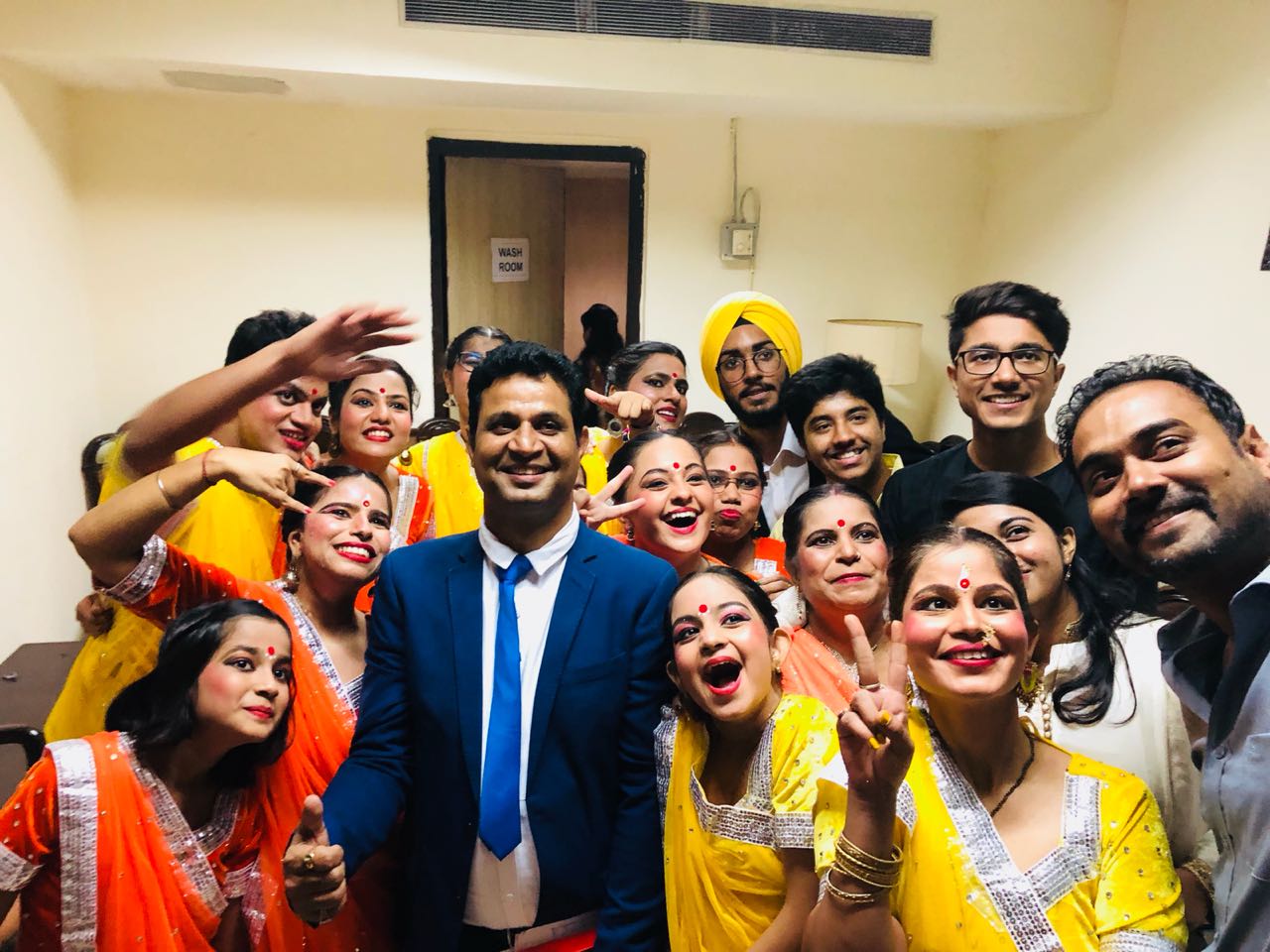
Every Fizza Arts workshop is built like a play. We start by listening, shape the script around your people, rehearse together and end on stage.
 Theatre • Film • Yoga • Dance
-
ActI
The conversation
We talk to you about your group, your goals and the challenges you want to work on, from leadership and teamwork to confidence and communication.
-
ActII
Writing the script
We design a programme just for you, choosing the right mix of theatre, film, yoga, dance and storytelling for your participants.
-
ActIII
Rehearsal days
Hands-on sessions where participants build characters, play out real-life situations and explore emotions, body language and voice.
Minimum 3 days per segment -
ActIV
Curtain up
The group brings it all together in a final performance, sharing their own stories on stage in front of colleagues, family or classmates.
For programmes of 7 days or more -
ActV
Reflection
We close with a guided reflection on what each person discovered, so the learning carries back into work and daily life.
Ready to plan yours?
Plan a workshopOur team
The people behind the stage
Fizza Arts brings together trainers and artists who have spent their lives in theatre and film, so every workshop is led by people who know the stage from the inside.
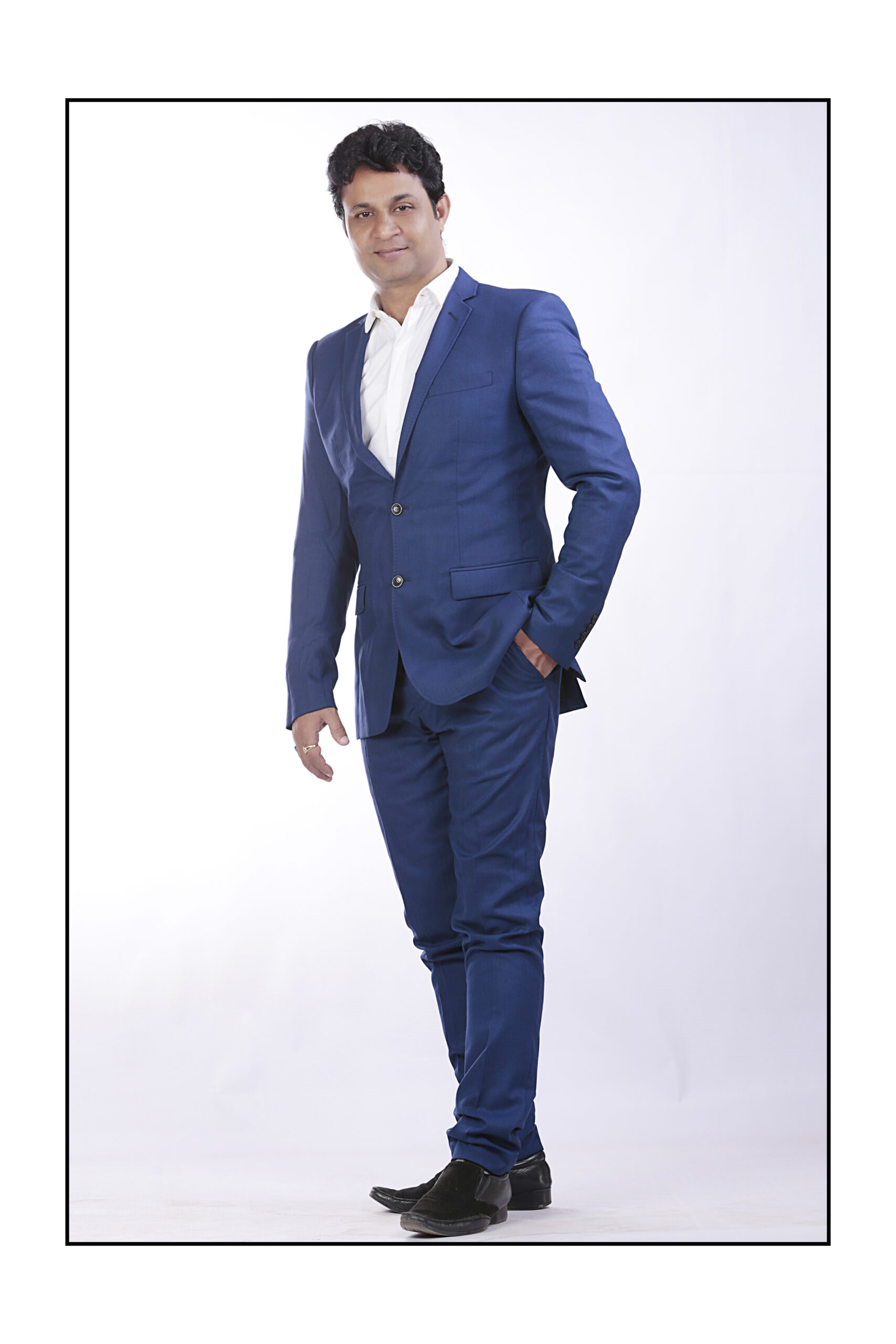
Firoz Zahid Khan
Alumnus of the National School of Drama (NSD) and Mountview, London
Eminent faculty
-
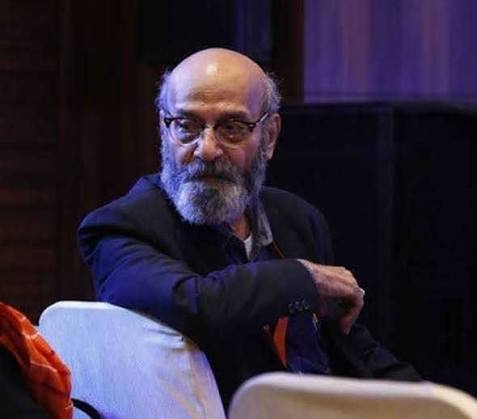
Ram Gopal Bajaj
Padma Shri awardee
Former Director of the National School of Drama, honoured with the Sangeet Natak Akademi Award and the Kalidas Samman.
-
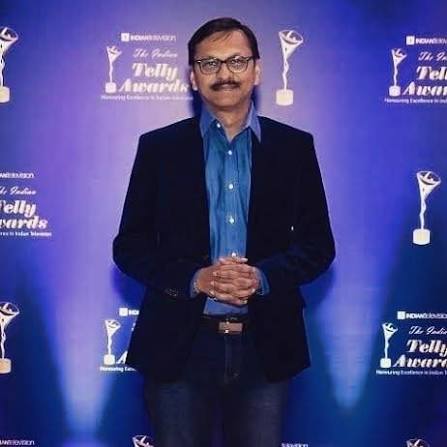
Shyam Pathak
Actor, Taarak Mehta Ka Ooltah Chashmah
Known to millions as Popatlal, bringing years of screen and comic timing experience to the sessions.
-
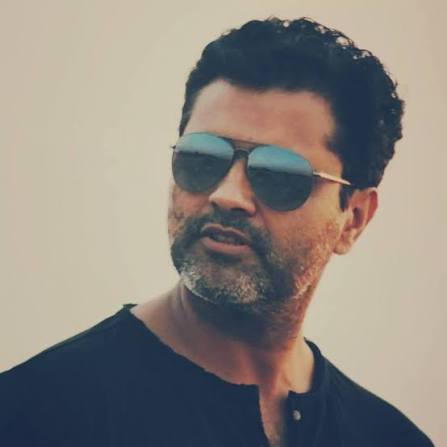
Vivek Sharma
Film director, Bhoothnath
Shares how stories are built for the screen, from character and scene to working with a camera.